
Microplastics keep coming up in our conversations — in the news, in research, and honestly, around our own kitchen tables. And the more we learned, the more we started looking at the products in our daily routines differently.
So we did what we always do: we went looking for the small Makers already solving it. Here’s what we found — organized room by room, so you can start wherever feels most relevant to you.
In the Kitchen
Your kitchen may be the biggest source of daily microplastic exposure. From the surfaces you prep food on to the containers you heat leftovers in, plastic contact with food is surprisingly common — and surprisingly easy to reduce.

Tibo Titanium Cutting Board
Most cutting boards shed microplastics every time a blade scores the surface — even wood ones. Tibo’s titanium board never sheds particles, never warps, and doesn’t harbor bacteria.

Microwave-Safe Stainless Steel Container Set
Heating food in plastic is one of the easiest ways microplastics end up in your meals. This stainless steel set is actually microwave-safe — no plastic touching your food, ever.
Meli Wraps Beeswax Food Wrap
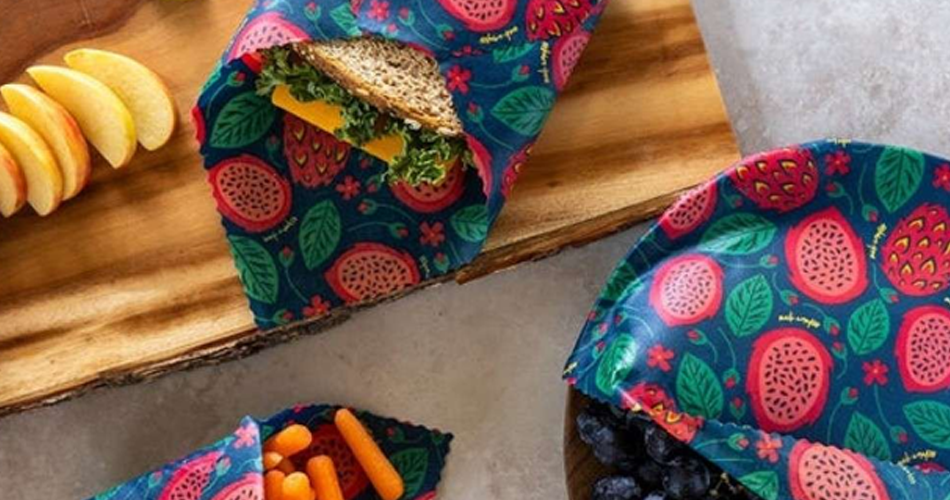
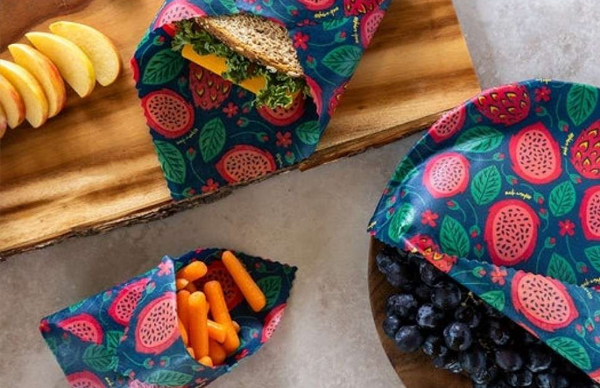
Plastic wrap is designed to touch your food — and shed into it. Meli Wraps replaces it with reusable beeswax wraps that seal naturally with the warmth of your hands, and come in a variety of sizes.

Fritaire Self-Cleaning Glass Bowl Air Fryer
Most air fryers cook your food inside plastic or coated baskets. Fritaire replaced them with a borosilicate glass bowl — no coatings, no plastic, no guessing.
In the Laundry Room
Your washing machine may be one of the most significant sources of microplastic pollution in your home. Every cycle that runs synthetic fabrics releases microfibers — and most of them flow straight into the water supply.
PlanetCare Microfiber Filter
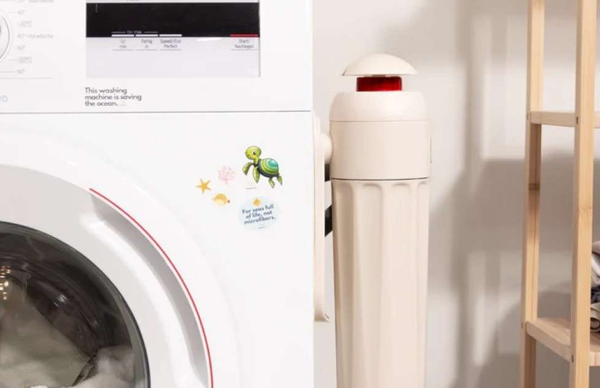
Every wash cycle releases thousands of synthetic microfibers straight into waterways. PlanetCare’s filter catches up to 98% of them — automatically, with zero extra effort.
Lavender Fields Bee Eco Wool Dryer Balls
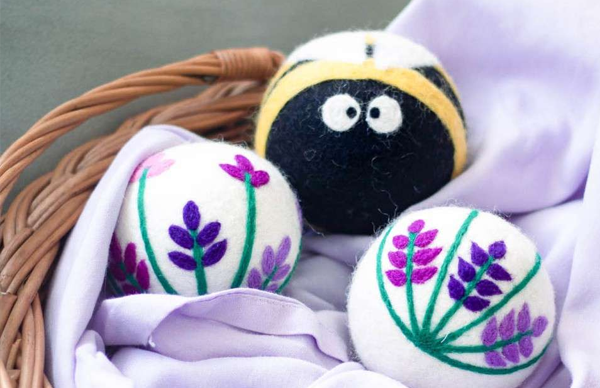
Dryer sheets are made with synthetic materials that break down onto your clothes and skin over time. These handcrafted wool balls are a natural swap that also cuts drying time.
In and On Your Body
Microplastics don’t just enter through food — they can also come from the products you apply directly to your skin and hair, and even from the tools you use to wash with.
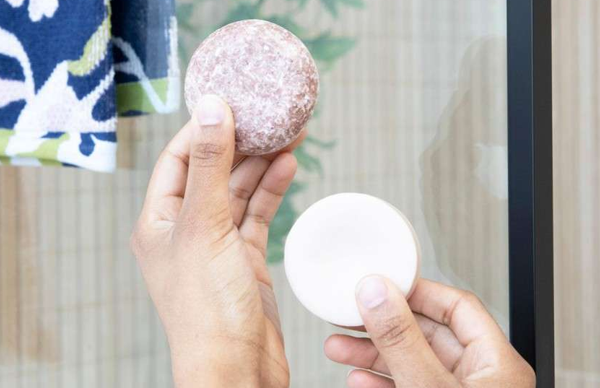
Argan Oil Shampoo & Conditioner Bars
Plastic shampoo bottles are single-use by design. These argan oil bars eliminate the bottle entirely — same great results, zero plastic.

The Scrubber Pack
Plastic loofahs and synthetic sponges shed microplastics every time you use them — directly onto your skin. The Scrubber Pack replaces them with biodegradable, dual-sided natural scrubbers for face, body, and beyond.
Shop The Scrubber on Grommet →

Sifts Daily Microplastic Supplement
Even with the best swaps, microplastics are hard to avoid entirely. Sifts is a daily fiber supplement designed to support your body’s natural digestion and help reduce exposure from the inside out.
Frequently Asked Questions About Microplastics
What exactly is a microplastic?
Microplastics are tiny plastic particles — most smaller than a grain of rice, many invisible to the naked eye — that enter the environment as larger plastics break down over time. They’ve been found in drinking water, produce, seafood, and even human blood. Researchers are still studying the long-term health effects, but reducing exposure where you can is increasingly considered a smart move.
Where do microplastics come from in the home?
Common household sources include plastic cutting boards and food storage containers (especially when heated), synthetic clothing washed in a standard washing machine, plastic wrap and food packaging in direct contact with food, conventional dryer sheets and synthetic laundry products, and plastic loofahs and sponges used on skin.
What is the easiest way to start reducing microplastic exposure?
Start in the kitchen — swap your plastic food storage for stainless steel and ditch plastic wrap for beeswax alternatives. These two changes address some of the most frequent points of contact between plastic and your food. From there, a microfiber filter for your washing machine is one of the highest-impact additions you can make.
Are microplastic-free products more expensive?
Many plastic-free alternatives are comparable in price to what they replace — and some, like dryer balls and shampoo bars, save money over time because they’re reusable or more concentrated. The products featured here are all available at 20% off on Grommet.
Do beeswax wraps really work as well as plastic wrap?
Yes — beeswax wraps like Meli Wraps create a natural seal using the warmth of your hands, and work well for covering bowls, wrapping produce, and storing snacks. They’re not ideal for raw meat, but for everyday food storage they’re a practical, plastic-free alternative.
What is a microfiber filter for a washing machine?
A microfiber filter, like the one made by PlanetCare, attaches to your washing machine and captures synthetic fibers that shed from clothing during each wash cycle. Without a filter, those microfibers flow directly into waterways. PlanetCare’s filter catches up to 98% of them automatically.
Every product on Grommet is here because we believe in it — discovered from small makers building something worth finding.
Want to explore more eco-friendly and sustainable products? Check these out on Grommet.