

A piece of string, a life coach, and the radical belief that calm doesn’t need a charger.
By Greg Rollett, Grommet
This article is presented by Grommet, the leading product discovery platform for new and emerging makers, inventors, and entrepreneurs. Check out thousands of products you never knew existed, but soon won’t be able to live without, right here.
It was a piece of string. That was it. A shaman tied it around Roland Szegi’s wrist and said three words: “Remember to breathe.”
Roland’s first reaction was skepticism. Breathing was something he had been doing instinctively all his life. Why would he need a reminder for the most basic function his body already performed on its own? He thanked the shaman, wore the string, and went home to Los Angeles.
But the string did something strange. Every time his eyes drifted to his wrist during a stressful meeting or a late-night scroll through his phone, he paused. His shoulders dropped half an inch. He took one slow, deliberate breath. And for a few seconds, the noise in his head went quiet.
“I questioned the necessity of such a reminder, considering it was something I had been doing instinctively all my life.”Roland Szegi, Creator of Breathelet OneFit
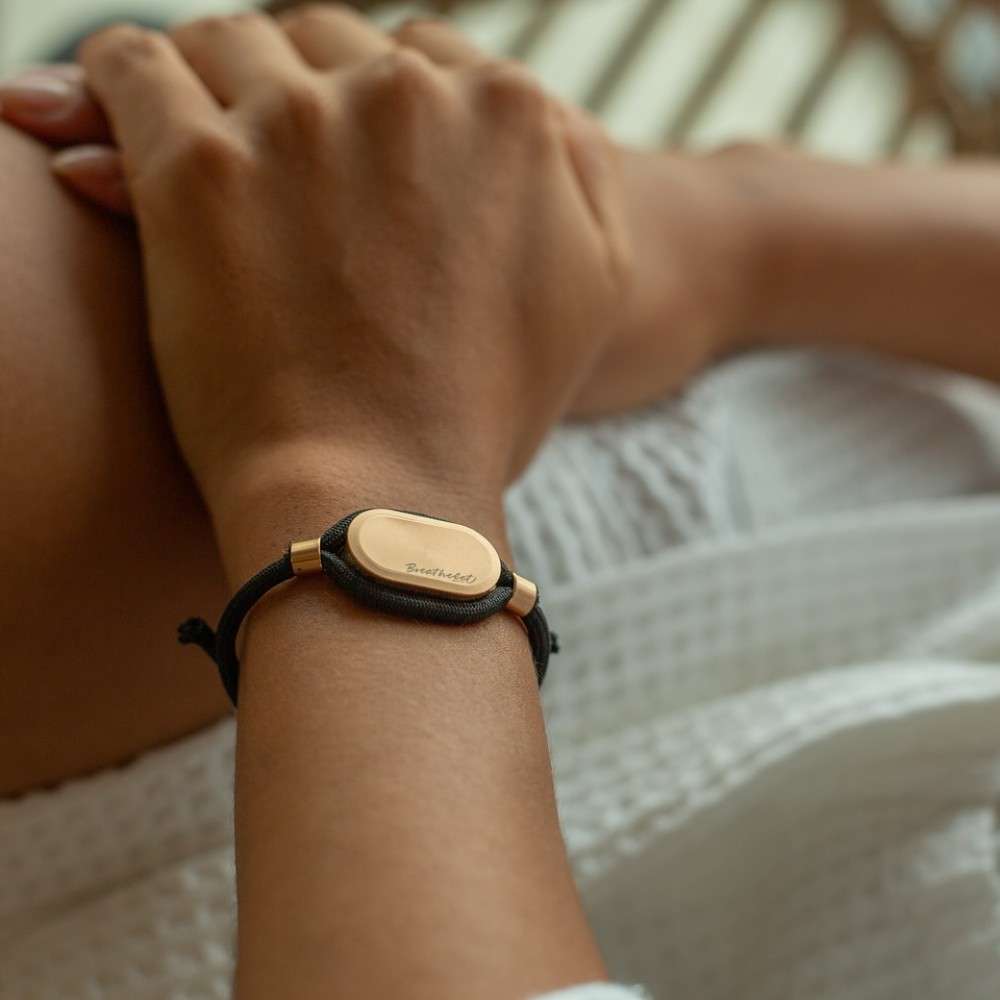
That string eventually frayed and fell off. But the idea it left behind did not. Roland’s Breathelet OneFit, now live on Grommet with 214 upvotes, is the product that grew from that single piece of string: a sleek, adjustable bracelet that delivers gentle vibration cues at unpredictable intervals throughout the day, nudging the wearer to pause, breathe, and reset. No app. No screen. No charger anxiety. Just a quiet tap on the wrist when you need it most.
The Book That Changed Everything
The shaman planted the seed, but it was a book that watered it. Roland picked up James Nestor’s Breath and found himself underlining nearly every page. Shallow chest breaths. Mouth breathing through the night. Chronic, low-grade suffocation disguised as a normal Tuesday. He recognized himself in those pages.
“Reading James Nestor’s Breath opened my eyes to the significance of mindful breathing, the art of proper inhalation, and the alarming absence of it in our daily routines.”
Then came his life coach. She recommended a simple intervention: throughout the day, pause and direct your focus toward your breath. The prescription was elegant. The problem was remembering to follow it.
From String to Circuitry
Roland tried phone alarms. Sticky notes. Meditation apps that sent push notifications, which struck him as absurd: the device causing his stress was now supposed to cure it.
He kept circling back to the shaman’s string. What if the solution was that simple? Not another app, but a physical object on his body that could quietly interrupt the autopilot?
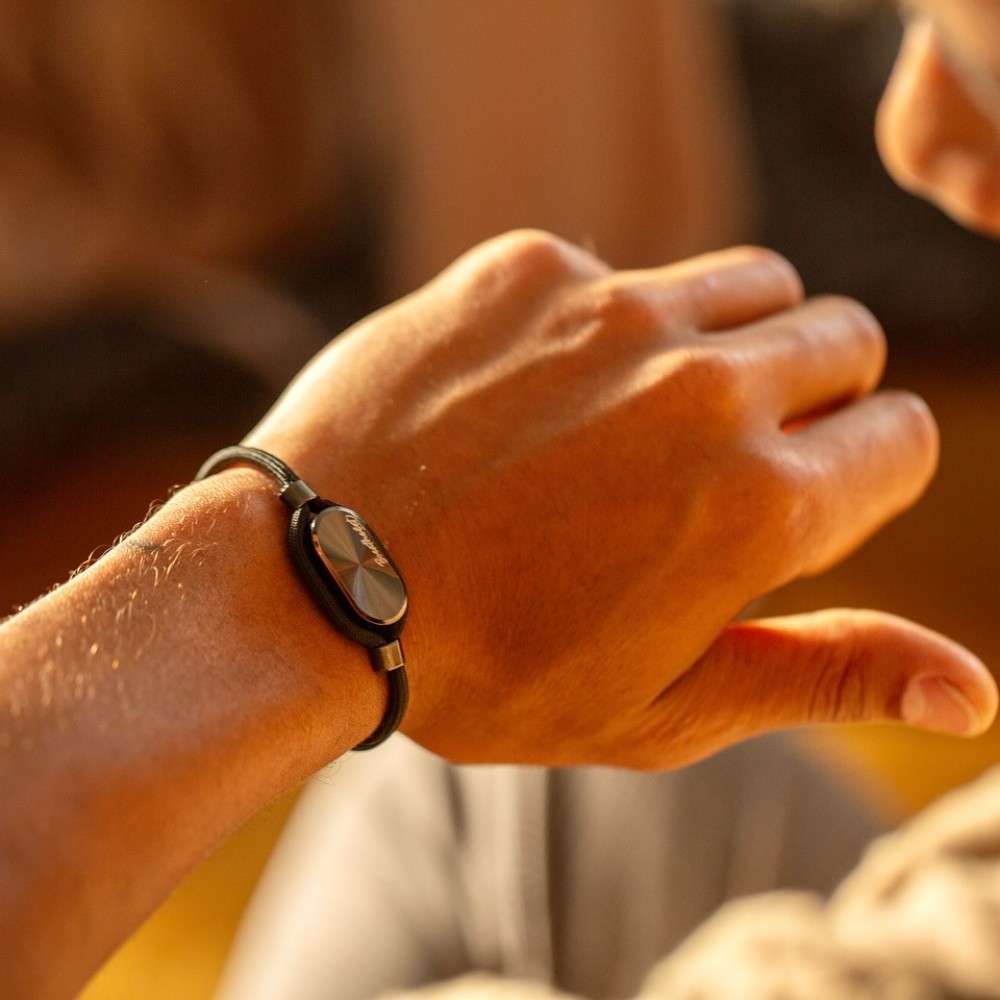
“The Breathelet was born: a stylish piece of accessory that discreetly prompts you to pause and breathe.”
The first Breathelet was rough. Roland needed a vibration motor small enough for a bracelet, a timer unpredictable enough to feel organic, and a design clean enough that someone would wear it daily. The pattern he settled on fires once in the morning after you unplug it, then at random intervals every 90 to 150 minutes. You never know when the next nudge is coming, which is precisely the point.
The string-adjustable fit system is a quiet nod to where it all began. You pull the cord, set it to your wrist, and hook it in place. Still a string on your wrist. Just one with a small motor and a big idea behind it.
We asked Roland to share the rest of his story in his own words.
What was your life like before you embarked on this entrepreneurial journey?
I was living in chronic stress and anxiety driven by constant mental busyness. My nervous system was always running hot, and I had no reliable way to interrupt the cycle. I needed something elegant, something non-digital, to remind myself to pause. But nothing like that existed. Everything on the market either required a phone, came with a subscription, or looked like a medical device.
Walk us through your first prototype.
I went through dozens of iterations trying to get the balance right between size, vibration strength, battery life, and aesthetics. Early versions were bulky. Some vibrated too aggressively. Others were so subtle you could not feel them through a sleeve.
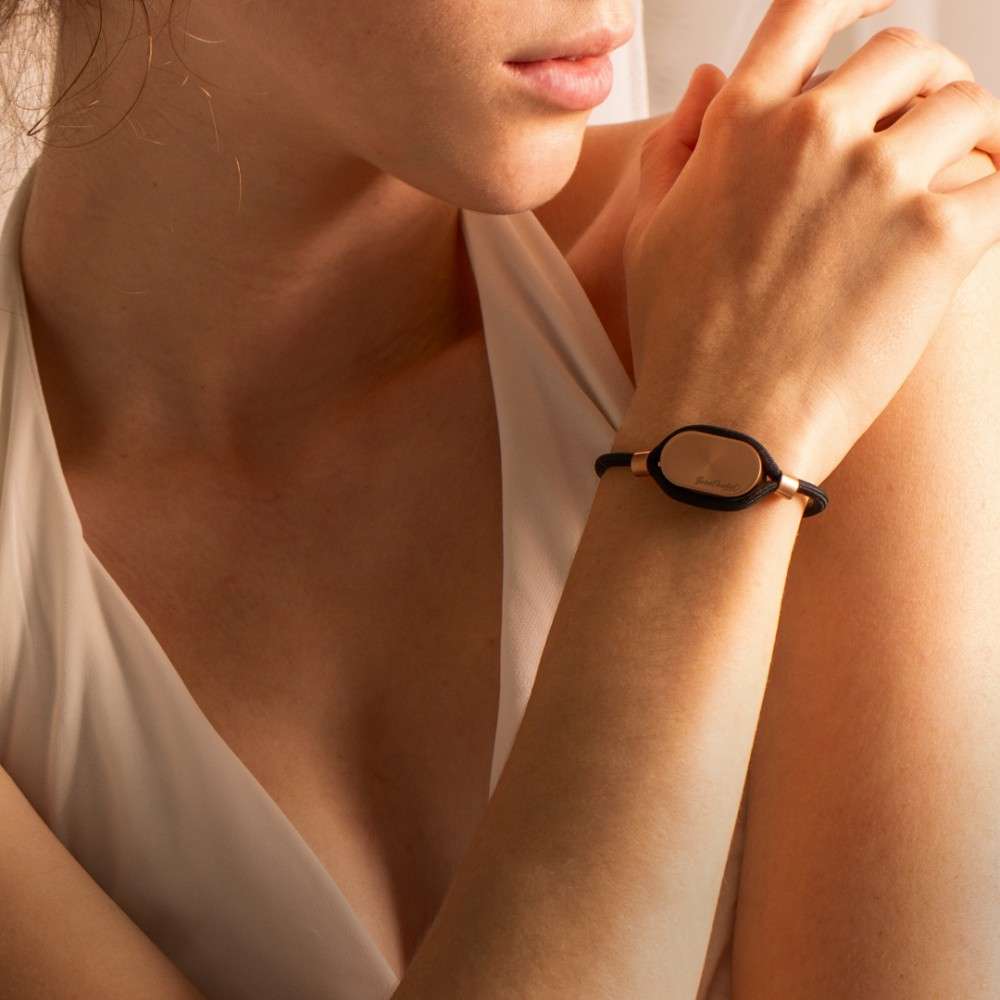
The breakthrough came when I stopped trying to make a gadget and started trying to make a piece of jewelry that happened to have a purpose.
What was the biggest challenge in bringing this product to market?
Convincing people that they needed a reminder to breathe. It sounds absurd when you say it out loud. Everyone breathes. But the distinction between unconscious, shallow breathing and intentional, mindful breathing is the distinction between surviving your day and actually being present for it.
Finding the right motor and materials for water resistance while keeping the price accessible took months. I refused to ship something that felt disposable.
Who were the first people to truly believe in your idea?
My life coach was the first. She had seen the problem firsthand: clients who knew breathing exercises could help their anxiety but forgot to do them the moment they walked out of a session. When I showed her the prototype, she immediately understood.
After that, it was the wellness circles in Los Angeles. They were already doing breathwork, already reading Nestor. For them, Breathelet filled a gap they could articulate: they knew what to do, they just needed a nudge to do it.
What does success look like to you?
True success is measured by the quiet, everyday moments when someone pauses, takes a breath, and feels a genuine shift in their nervous system. Not downloads. Not engagement metrics. A shift in someone’s shoulders.
If Breathelet helps normalize mindful pauses and makes self-regulation feel accessible rather than aspirational, that is a meaningful win.
Can you share a piece of customer feedback that has stayed with you?
People keep telling me they did not realize how rarely they paused during the day until the bracelet vibrated and caught them mid-spiral. “I was three hours into a work block and had not taken a single conscious breath.” That moment of recognition is exactly what Breathelet was designed to create.
Several customers now associate the vibration with a feeling of safety. The bracelet has become their signal that it is okay to slow down, even for ten seconds.
What does it mean to you to be part of a community like Grommet?
Grommet understands that a product is only as powerful as the story behind it. On a larger marketplace, Breathelet would be reduced to a feature list and a price point. Here, the story of the shaman’s string, the life coach, the book that changed my perspective: all of that gets to live alongside the product.
Breathelet was never designed to go viral. It was designed to help one person at a time remember to breathe.
What keeps you motivated on the hard days?
Creating Breathelet required me to slow down, listen closely to my own needs, and trust simplicity over complexity. That shift has influenced not only how I manage stress, but how I approach work, relationships, and decision-making.
Breathelet has transformed anxiety from something I tried to suppress into a signal to pause and reconnect. Knowing that something born from my own struggle can help people feel calmer is what keeps me going when the doubt piles up.
The shaman’s string frayed. The idea did not. And every 90 to 150 minutes, on wrists around the country, a small motor hums to life, and someone’s shoulders drop half an inch, and the noise goes quiet for just long enough to matter.
Get 20% Off Breathelet OneFit
Right now, readers of the Grommet Blog can get 20% off Breathelet OneFit through our maker community on Grommet. Just head over to the product page, give it an upvote, and your discount unlocks instantly.